
October.
This summer’s drought has certainly taken its toll on the garden, with many plants failing to survive. To help with reviving the garden, I think we should look on the positive side: these spaces provide new planting opportunities. What to plant there, I hear you ask? First look at your garden and see what has survived, then plant some more of the same.
I have done this with my bearded irises. I have divided them and spread them throughout the garden; grown throughout Europe, they are extremely drought-tolerant.
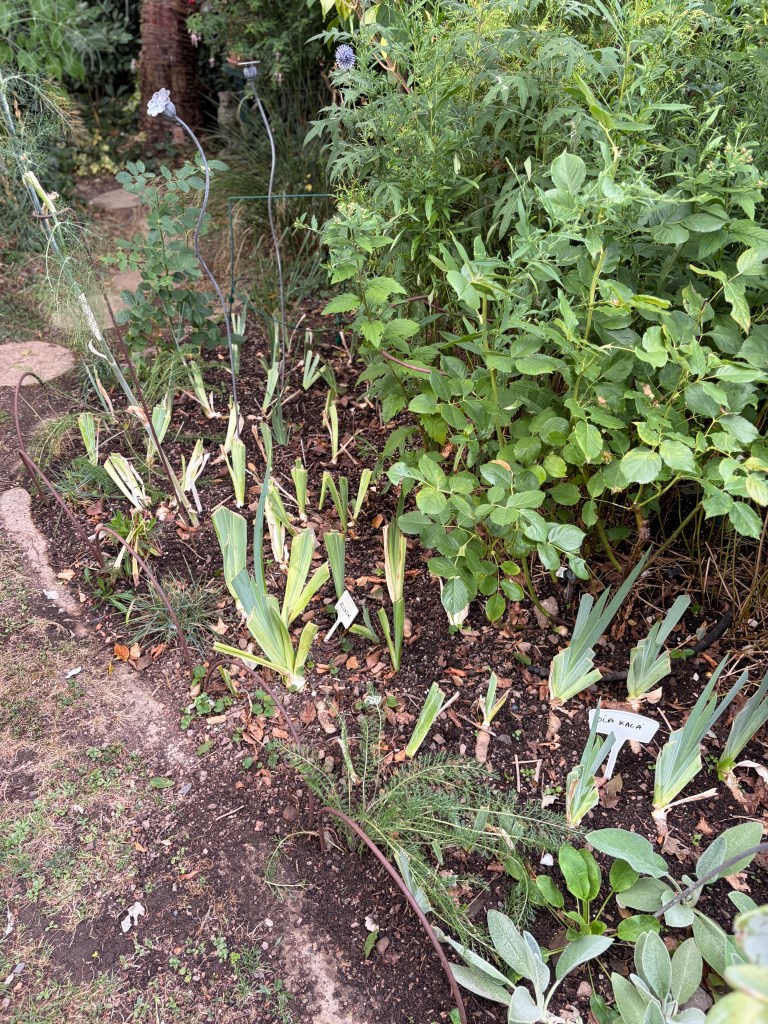
Your soil type will dictate your planting scheme. If you have heavy clay and want to grow perennials, add lots of humus to the soil; this will improve water retention. If you wish to grow drought-tolerant plants, you will need to incorporate gravel to improve drainage. The ideal is loam soil; with sandy soil it is important to select the right plants.
There is quite an extensive list of drought-tolerant plants; if you are buying them from a garden centre, be aware that these plants have spent all their lives in pots being regularly watered. If you plant these in your garden and only water once, they may fail due to their roots not having grown naturally, usually deep searching for moisture. They will need regular watering until they are established. October is an ideal time to do this when hopefully nature will water them.
Drought-tolerant plants tend to have deep tap roots; in my experience, growing them from seed is quite successful so long as you plant them out when they’re young, when they will send down their tap roots to become established.
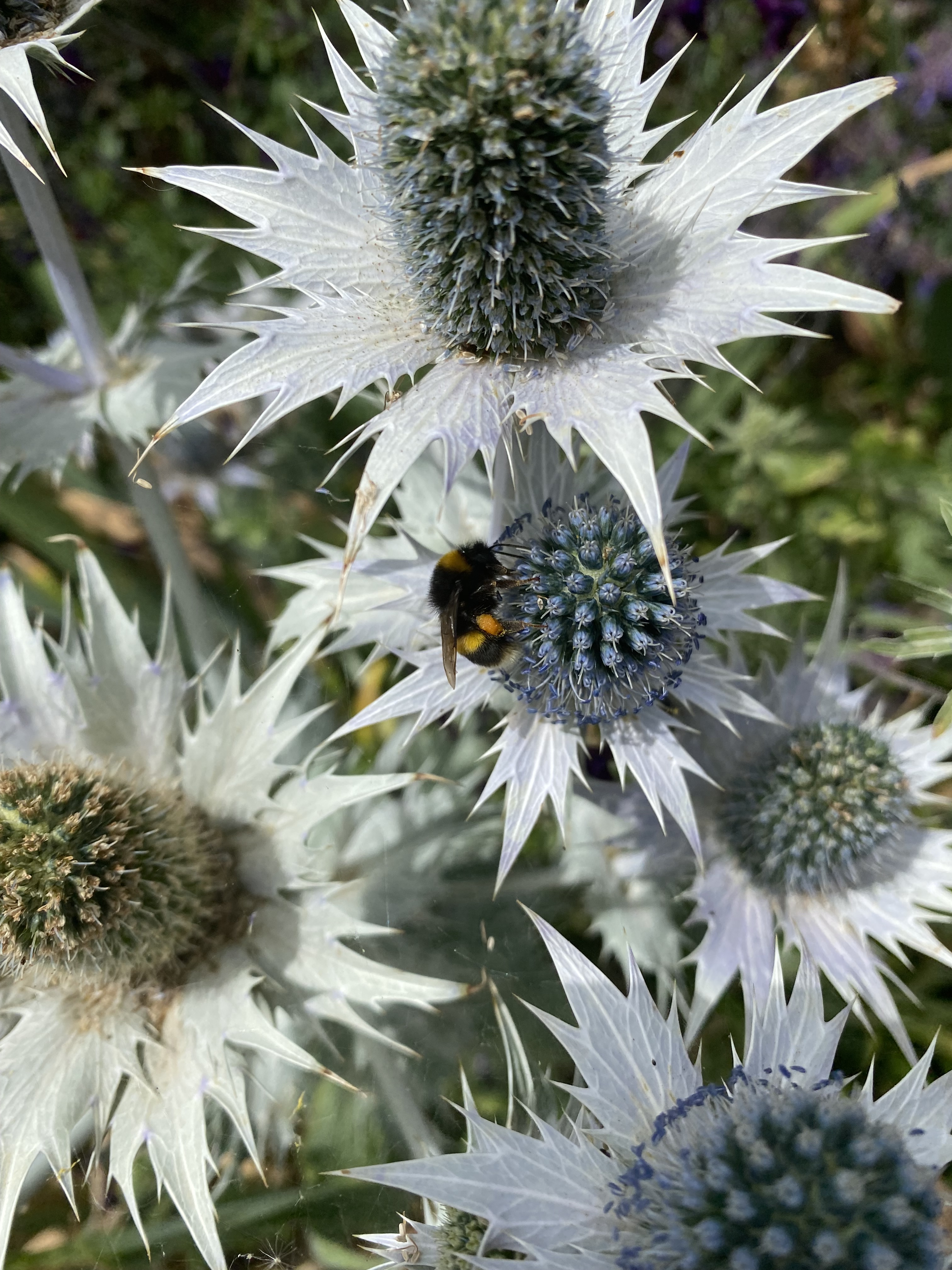
Examples that I grow are Eryngium, Echinops, Achillea, Delphinium requienii, Bronze fennel and Daucus carota, the wild carrot.
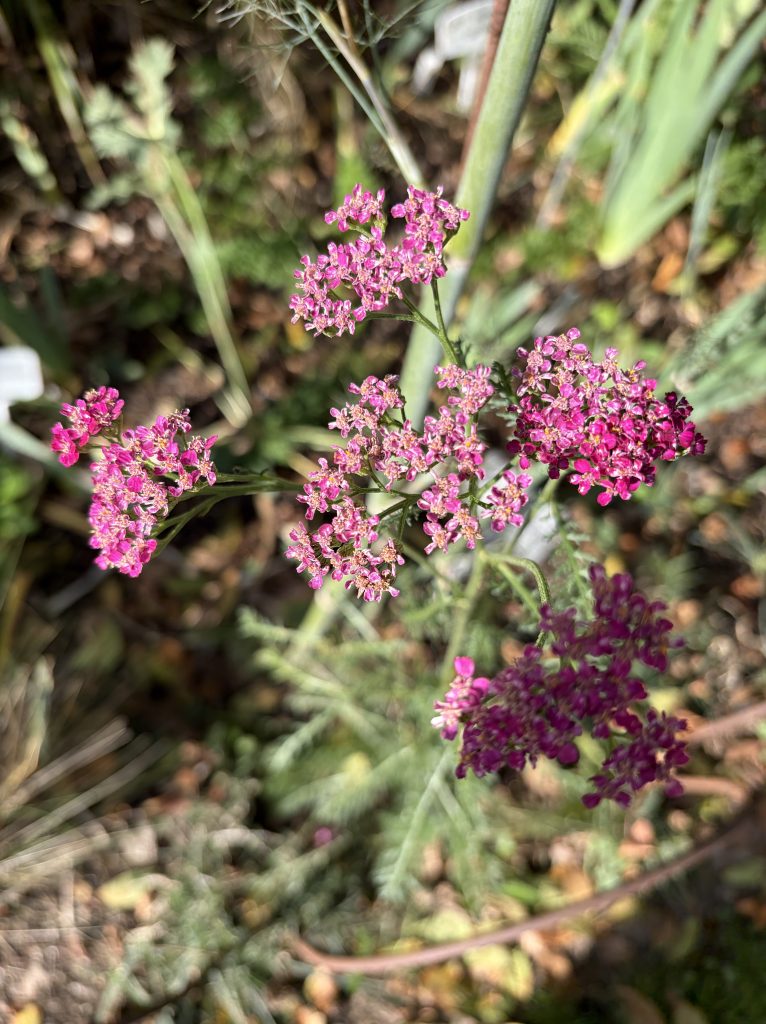
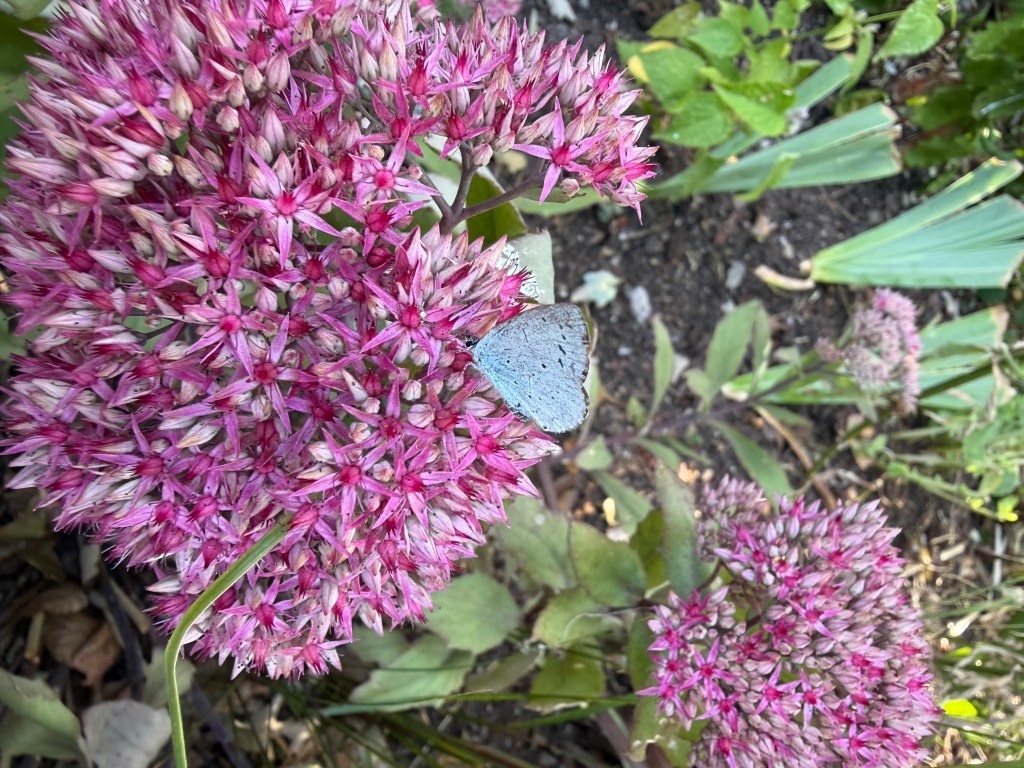
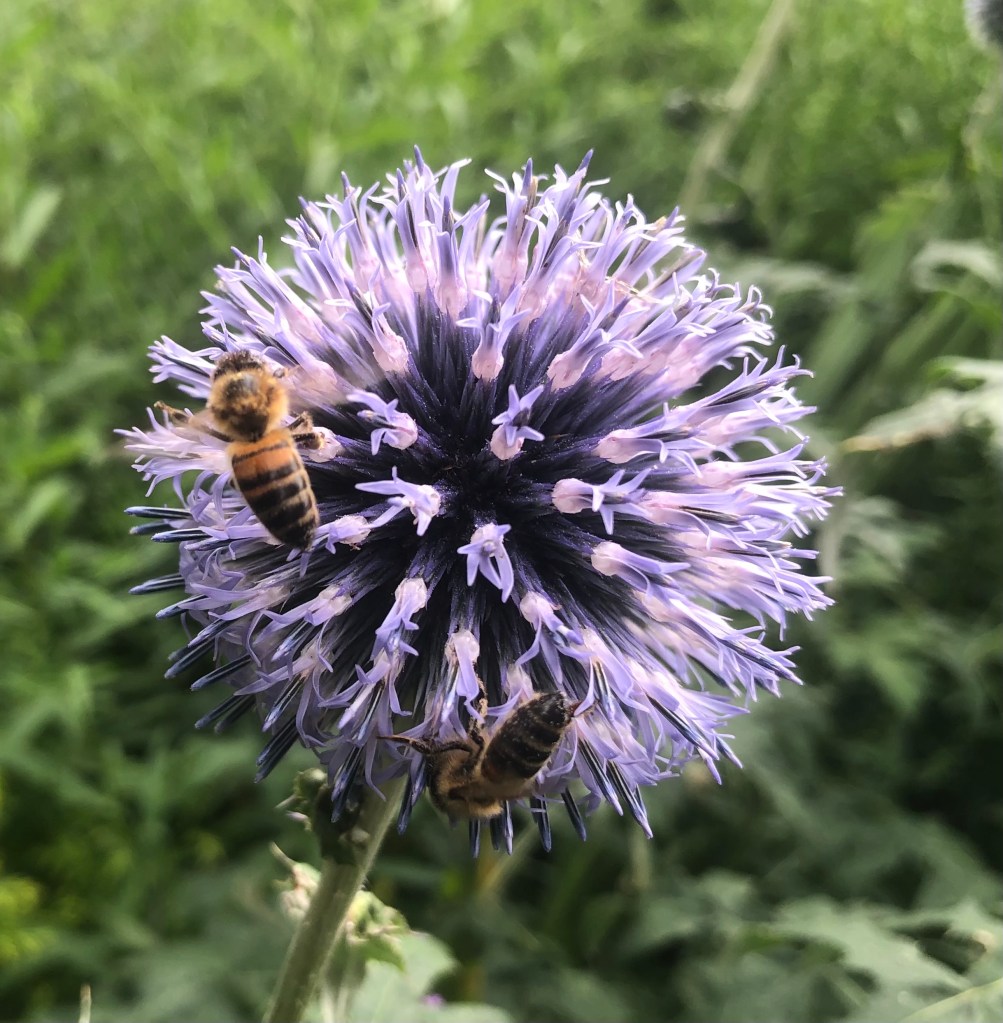
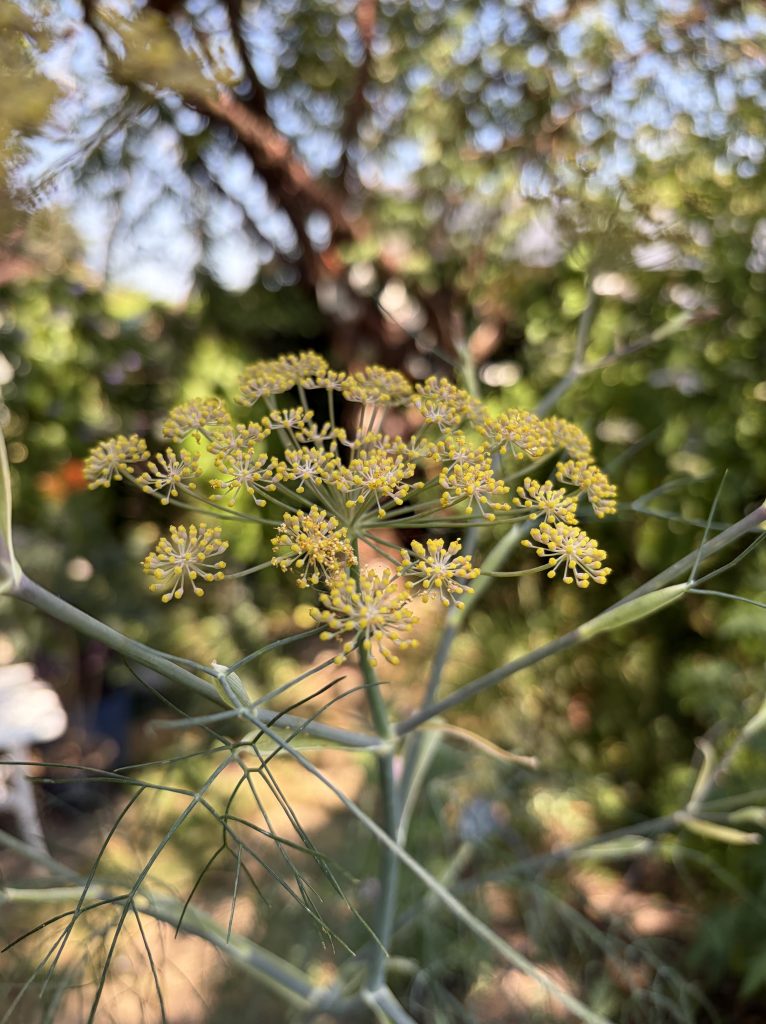
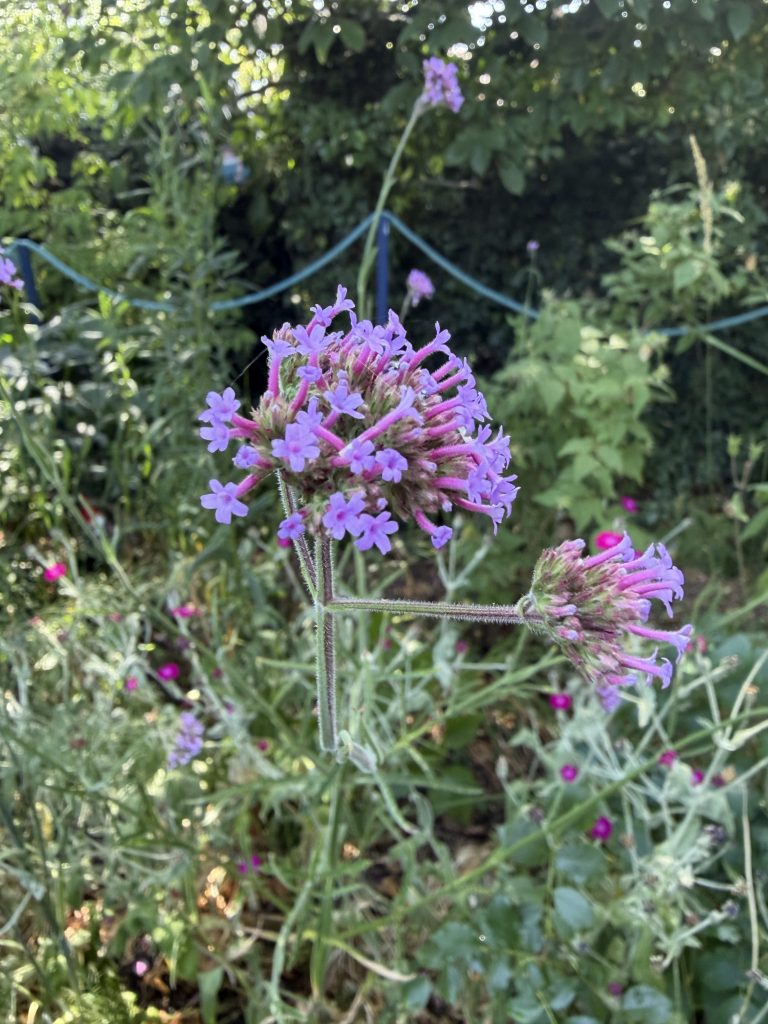
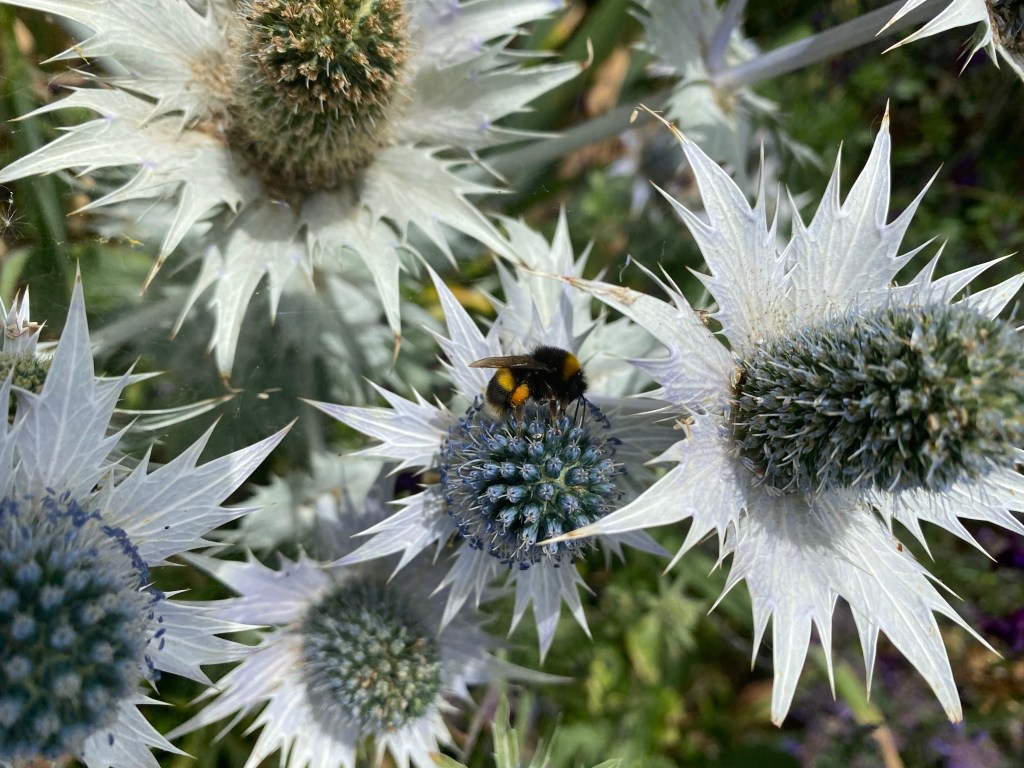
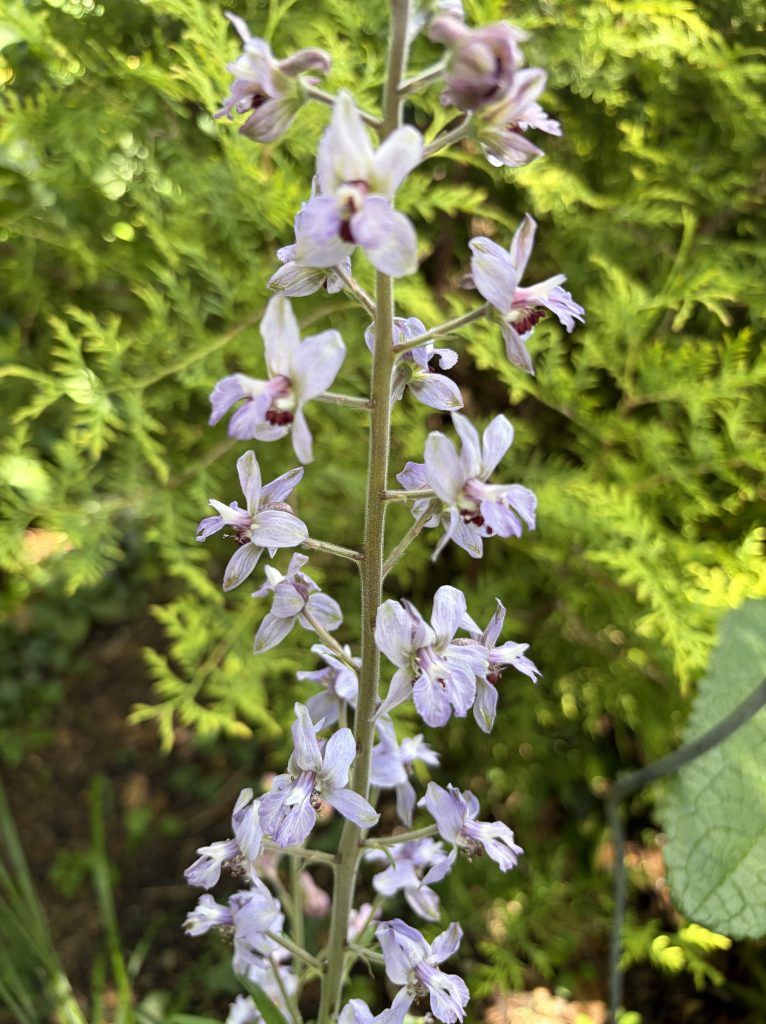
One benefit of growing these is that they are all enjoyed by the pollinators.
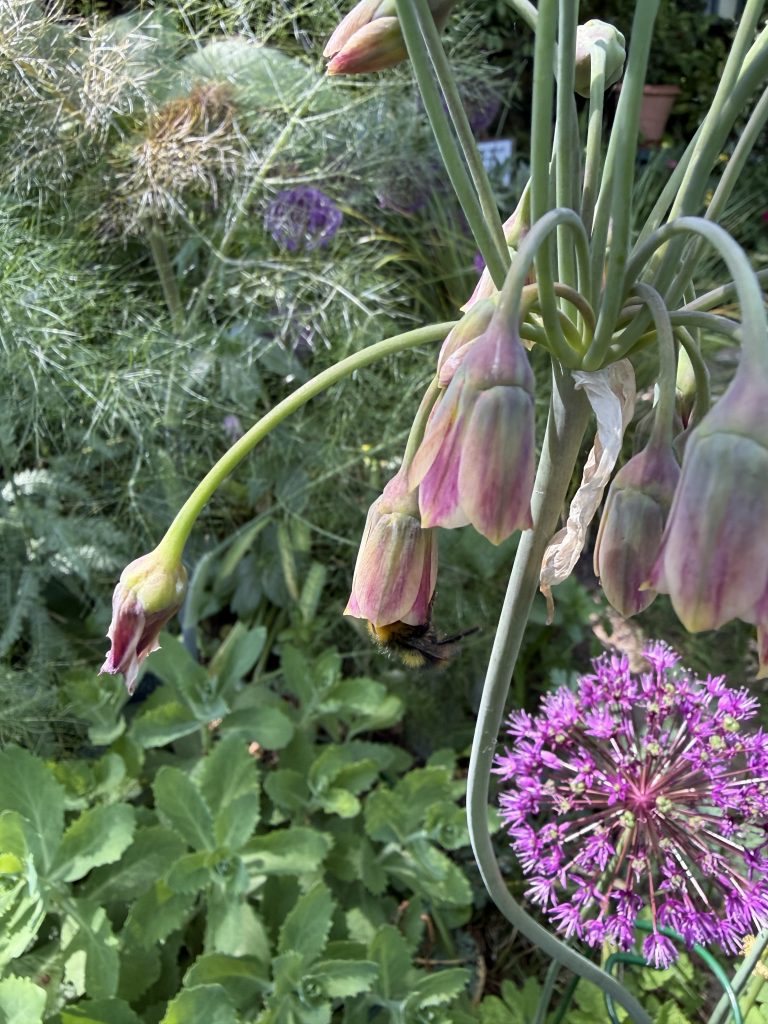
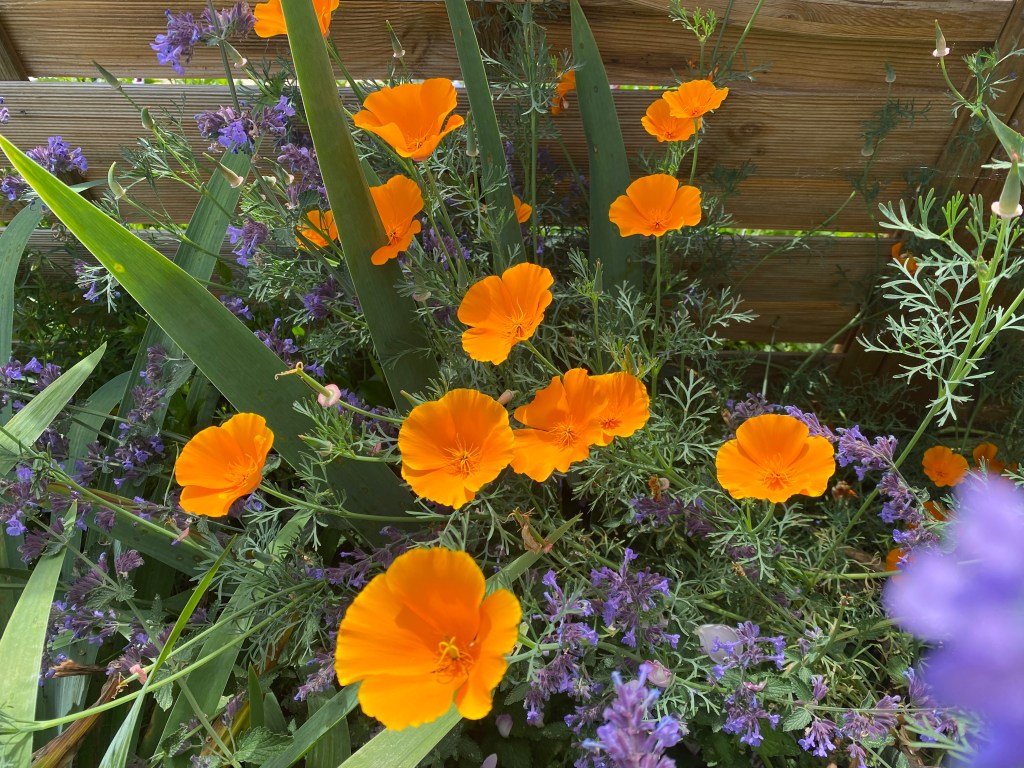
The majority of the poppy family: Salvia, Sedum and Euphorbia characias subsp. Wulfenii are completely drought tolerant; you need to wear gloves if cutting the Euphorbia as the sap is an irritant. The California poppy, Eschscholzia californica is easy from seed, providing a stunning display for little cost. All the Allium family make an excellent choice.
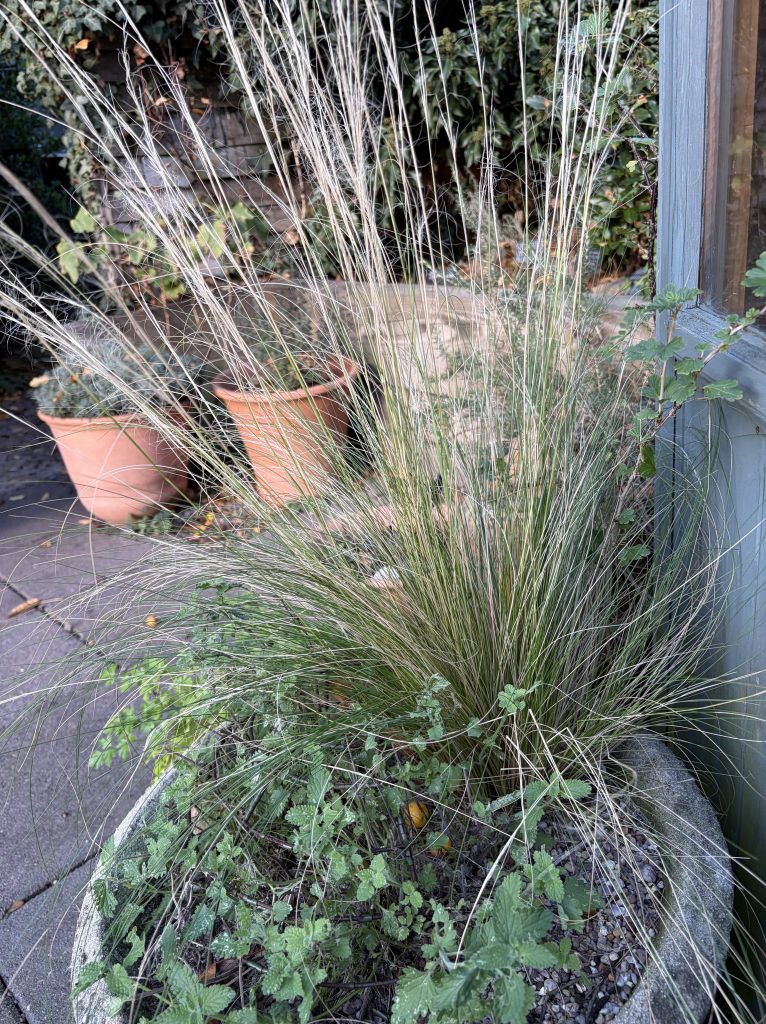
Some ornamental grasses such as Calamagrostis ‘Karl Foerster’, Stipa arundinacea, and Tenuimissa all survive in my garden, with Stipa gigantica being the most impressive.
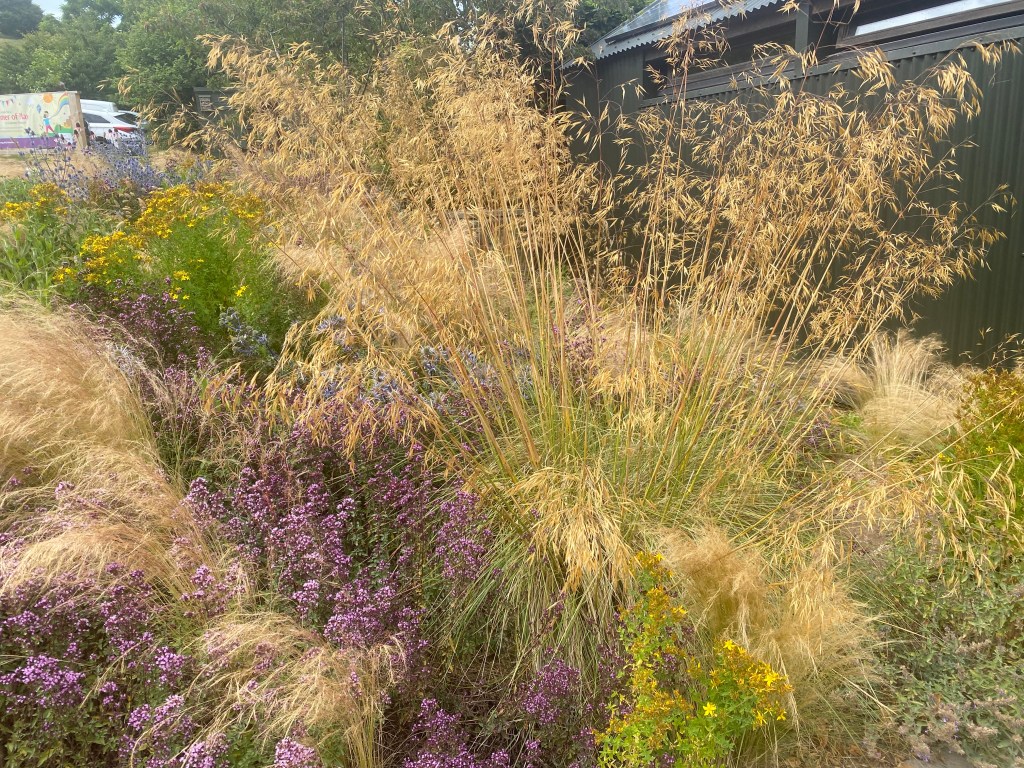
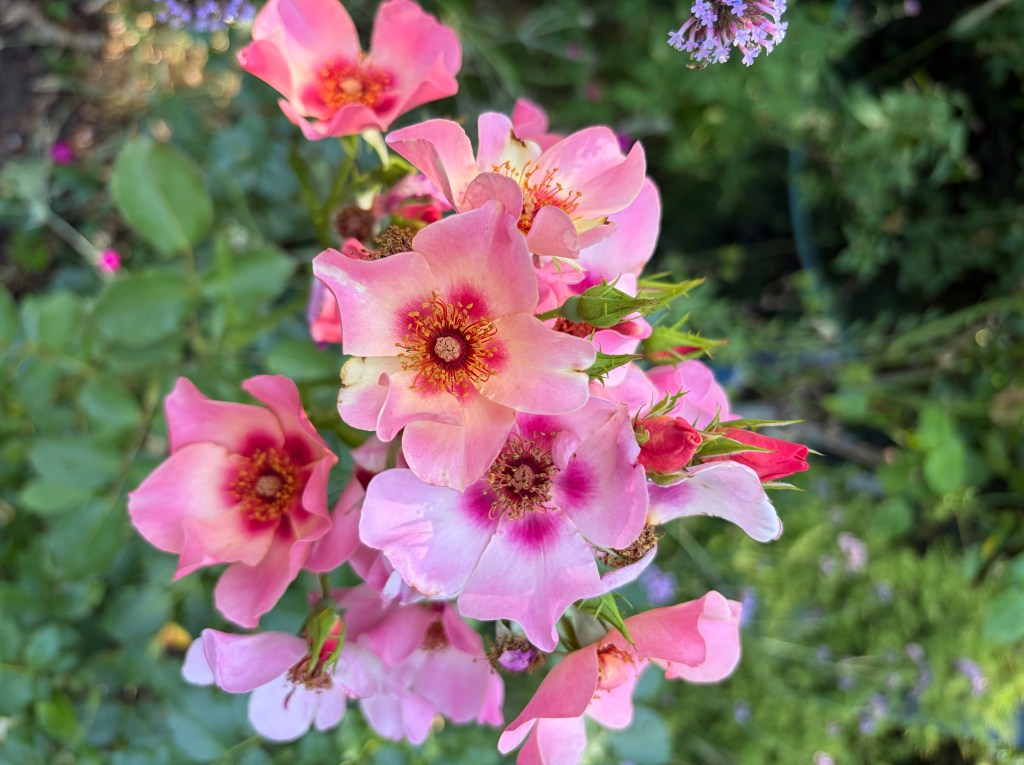
Evergreens such as Thuja ‘Rheingold’, Holly, and Yew also do well. Yew will die if its feet are in water. These can add structure to the garden and be clipped to maintain their size. All the fruit trees, ornamental or fruit-bearing, have also survived this year. One plant you may not think of being drought tolerant is the rose; once established, they survive although they do not flower as much as normal. The unanswered question is how well these plants will survive in a very wet winter, which we must hope for.
The leading exponent of dry gardening was the late Beth Chatto, whose garden in Essex became a testing ground for this. Her books, The Dry Garden and the Gravel Garden, are recognised worldwide. If you ever are in the area, it is worth a visit; there is an excellent nursery on site and a restaurant. Their website is full of useful information regarding choosing the right plant for the right place.


